
LOCATION: Southwest Texas, northern Mexico, New Mexico, Arizona.
PERIOD: May-August, 1944.
DRAMATIS PERSONAE: John Farley Hardin (1927-2020); Henry Adams Hardin (1928-2015); a Mexican pig drover; a Negro conjure woman; a hobo; a cougar; a wolf.
Henry Adams Hardin (1927-2015) and John Farley Hardin (1926-2020) were first cousins, born into an old Scots-Irish family. The Hardins were Texans, by way of Tennessee, and before that Appalachia, and before that they came from Scotland and Ireland.
The Scots-Irish were fiercely independent and stubborn. They were more likely to sell out and move farther into the frontier than assimilate. As soon as the bankers and lawyers entered their country, they were likely to pack up and move west. These two youngsters, John and Henry Hardin, were continuing the same pattern of their people which had been the norm for generations.
When he turned 18, John told his younger cousin Henry, that since they had been too young to join up to fight in the war, they should take off on an adventure of their own. “Let’s ride west,” (in this part of Texas, in 1944, the horse was still the primary mode of transportation) “and see what’s out there.”
So, early one morning in May they rode off before anyone was up, just before dawn, heading southwest.
The first town they came to was El Paso, the big city that their parents had planned on settling in, but events dictated that they settle in Van Horn, about 120 miles. A half day’s ride, they crossed the river and had lunch; rode further south and made camp that night in Mexico.
Their journey took them back across the river into Texas, through Sierra Blanca; Las Cruces, NM; Deming; Lordsburg; Douglas, AZ; Bisbee; Tombstone; Benson. And finally, three months later, they rode into Tucson, dusty with an injured wolf on the back of John’s horse.
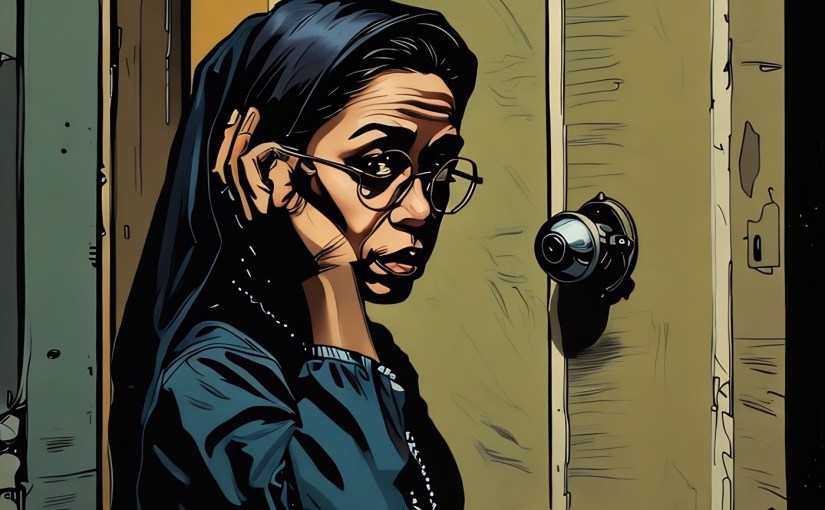
Along the way they encounter a philosophical Mexican pig drover, a mysterious Negro fortune teller, a soured itinerant ragman, and are adopted by a wolf who ends up saving their lives from a cougar, and they his.
THEM HARDIN BOYS
(F. D. Leone, Jr.)
Was a cool May morning when they set out
John got Henry up before full light.
“Let’s go if we’re going – before they’re awake.”
“Okay, just let me get my eyes right.”
Dawn was behind them as they trotted off,
Heading southwest to the Rio Grande.
They crossed at midday; stopped for lunch;
Over biscuits and bacon they made a plan.
A pig drover welcomed them to Mexico:
“Los cerdos son un misterio,
¿Qué puede saber uno de uno?
Un cerdo es un cerdo.”
“John, what was that fella saying’?”
“That he’s never understood a hog.”
“Well hell, why would he want to?”
They spurred their horses into a jog.
They rode through the heat of the afternoon,
Quiet save for the spat of the Henry’s snuff.
The constant clop and chink of the horses;
A pretty sound as there ever was.
“John, do you ever think of God?”
“No; well, some. With the seasons.”
“John, that fella back there,
Do you think we met him for a reason?”
“Henry, have you seen that lobo off behind,
Been following us these few miles?”
Yeah, I seen him, sometimes;
Last night his eyes were two tiny fires.”
Within the hour the weather cooled;
Drops of rain fell the size of small stones.
They could smell the wet earth and horses,
The wet leather … they rode on.
The path took them through a locust wood;
Huge bean pods hung more and more.
A small glade, a raw board shack,
A rotted porch; they knock on the door.
“Come in here,” she said and stood aside;
She was scarce four feet tall and coal black.
Assorted bowls, candlesticks, a table;
“Set down,” she instructed; they sat.
Her eyes were not more than two cracks,
A face carved from matte black wax.
She raised her arms. To speak? Perhaps.
“Death arrives, you survive.” Then, thunderclaps.
That night they were awakened by lobo’s growl;
Sensing danger the boys sat up upright.
Fierce howling, yapping, snapping of teeth;
Dawn, a dead puma; lobo bloody, but alive.
John craddled the wolf behind his saddle,
“Strange, lobo beatin’ puma one-on-one.”
“Johnny, do you resent missing the war?”
“Waste of time; we were too young.”
Two fishermen passed along the river path;
Under the bridge an ancient hobo;
He sat scowling upon the new day.
As they approach, his story is told.
“I went down this river in aught one;
With a carnival for two year I run.
In Georgia we seen a fella hung;
Damned us all for the crime he never done.”
“I seen strange things in my time;
Seen that cyclone come through; took my breath.
I seen all I want to see; know all I want to know.
Today, I just look forward to death.”
© 2025 Frank David Leone, Jr./Highway 80 Music (ASCAP). The songs and stories on the Highway 80 Stories website are works of fiction. Names, characters, businesses, places, events, locales, and incidents are either the products of the author’s imagination or used in a fictitious manner. Any resemblance to actual persons, living or dead, or actual events is purely coincidental.

 Highway 80 Stories