LOCATION: Bossier City, Louisiana; Shreveport, Louisiana
PERIOD: 1903-2023
DRAMATIS PERSONAE: Joy Brown; Dred Scot Lee; Gaither Luther Motts (1883-1971); Earl “Dooky” Ford
From 1882 to 1968, 4,743 lynchings occurred in the U.S., according to records maintained by NAACP. Other accounts, including the Equal Justice Initiative’s extensive report on lynching, count slightly different numbers, but it’s impossible to know for certain how many lynchings occurred because there was no formal tracking. Many historians believe the true number is underreported.
The highest number of lynchings during that time period occurred in Mississippi, with 581 recorded. Georgia was second with 531, and Texas was third with 493. Lynchings did not occur in every state. There are no recorded lynchings in Arizona, Idaho, Maine, Nevada, South Dakota, Vermont, and Wisconsin.
Black people were the primary victims of lynching: 3,446, or about 72 percent of the people lynched, were Black. But they weren’t the only victims of lynching. Some white people were lynched for helping Black people or for being anti-lynching. Immigrants from Mexico, China, Australia, and other countries were also lynched. [Staff writer NAACP. “History of Lynching in America”. In NAACP History Explained. Web. Retrieved on May 9, 2023, from https://naacp.org/find-resources/history-explained/history-lynching-america.%5D
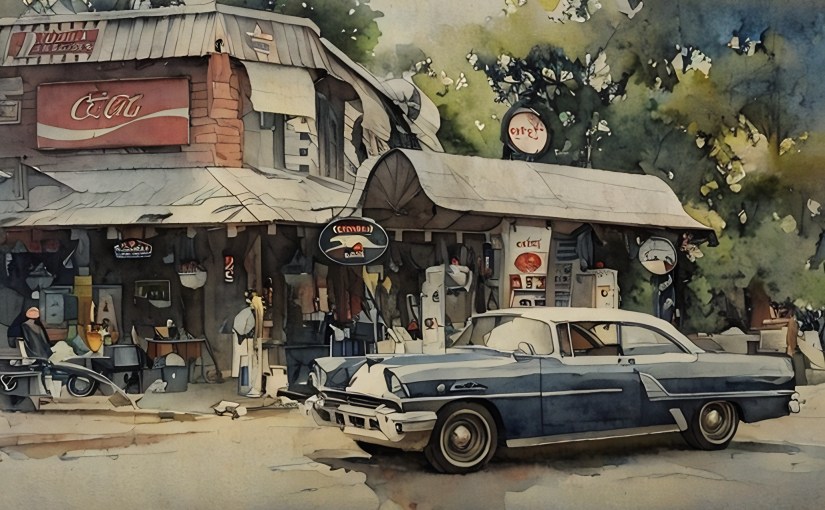
Joy Brown met Dred Scot Lee in 1903 when they happen to share a Coke. At this time it was prohibited to drink after a black person, hence the existence of separate water fountains, and so, drinking from the same bottle was quite rebellious. They began to see each other, meeting in secret and hiding their friendship. And, it was only a friendship.
However, Joy did experience sexual intercourse when she was raped by her maternal uncle, Gaither Motts. It was obvious to her parents that Joy had been attacked, and after some intense questioning Joy admitted to having been raped. But instead of accusing her uncle, her mother’s brother, she named Dred – a defenseless negro boy.
During the Jim row era, a negro was often lynched for merely looking at a white woman. It was assumed any negro, even a boy, accused of rape was certain to be hung – which Dred was.
His body was left for two days. People took pictures, and some had post cards made up which were mailed to friends and family across the country. Until finally, his mama had him cut him down and buried in a nearby field behind her house. They put a wooden cross to mark his grave but after his mama died, no one tended the grave and it was not long before there was nothing left to mark his grave.
Feeling ashamed over being raped and guilty for accusing an innocent negro boy, Joy dropped out of school and began drinking and doing anything to blot the entire chain of events out of her mind. Her uncle too, regretted his crime and that an innocent black boy was killed for it. But kept his secret for nearly 70 years until his death in 1971.
Joy went to Shreveport, and found herself on Fannin Street and became a working girl and heroin addict. Joy was taken over by a pimp, Dooky Ford, who as was his custom, also raped her. But this time, Joy was already pregnant with Gaither’s child.
Dooky let her know that as long as she was pregnant, her duties in the brothel would not include seeing clients. But Dooky told her, “If you can’t fuck you got to clean and cook.” Which she did, happily. However, when the child was born, a boy, she decided that she had to get away from there. She drowned the boy in the bathtub and in remorse intentionally overdosed herself.
More than 100 years later, and after being petitioned for decades by his family, the governor of Louisiana pardoned Dred Scot Lee. Pardoned is not accurate since Dred had not actually been convicted of raping Joy Brown. But it was a long overdue attempt to wash the stain off Dred Scot Lee’s name, as well as trying to retrieve some dignity for the people of north Louisiana.
A slate plaque was erected at the site of his hanging, a nondescript field outside of Bossier on Highway 80. On the stone were carved these words: “Dred Scot Lee / Hung in 1896 / For something he never done / He was 15.”
ELEGY FOR DRED SCOT LEE
(F. D. Leone, Jr.)
Bossier City nineteen-aught-three
Joy Brown met Dred Scot Lee
Forbidden love never seemed so right
They saw each other despite the risk
Only when they wouldn’t be missed
‘Cuz Dred was black and Joy was white
It began when they shared a Coke
The glacial ice was broke
They crossed a line and could not go back
When her lips touched where Dred’s had been
She felt a thrill, a first taste of sin
Their lives were changed with that one act
Joy was ashamed about who had raped her
Never said it was Uncle Gaither
She named the only negro boy she knew
Silhouetted in the setting sun
For two days Dred Scot Lee hung
And into a darkness Joy withdrew
Fannin Street, nineteen-aught-four
Dooky turned Joy into a whore
When her belly began to swell up
Dooky said, “if you can’t earn on your back,
You have to pick up the slack
Changin’ chamber pots, pushin’ a mop”
Gaither’s boy looked at Joy and laughed
Then she drowned him in his bath
Lit a candle and stared at the flame
The water was cold, the boy was blue
She boiled double junk in her spoon
Thought of what Gaither done and who she named
Before he died at age eighty-eight
Gaither had to set the record straight
Finally tell the truth about Joy
Slowly in a shaky scrawl
He wrote his story, told it all
“It was me who raped that girl, not that nigra boy”
Gaither despised the man he’d been
Did what he could to make amends
For the rape and his role in the mob
Donated the money he had saved
What he owed could not be paid
He did his best to get right with God
Bossier City twenty-twenty-three
A marker was placed beneath a tree
These words were carved into the slate:
“Here Dred Scot Lee was hung
For something he never done
Lynching Number 328
© 2025 Frank David Leone, Jr./Highway 80 Music (ASCAP). The songs and stories on the Highway 80 Stories website are works of fiction. Names, characters, businesses, places, events, locales, and incidents are either the products of the author’s imagination or used in a fictitious manner. Any resemblance to actual persons, living or dead, or actual events is purely coincidental.



 Highway 80 Stories